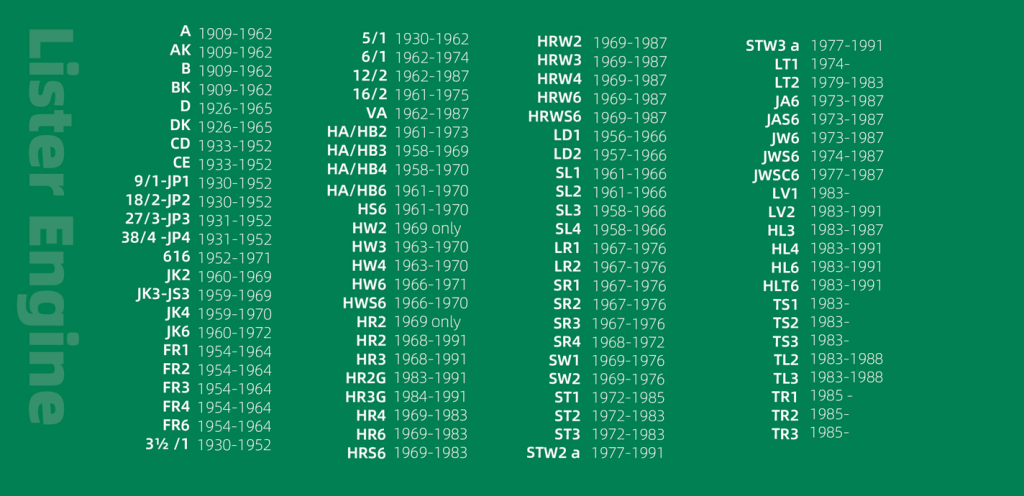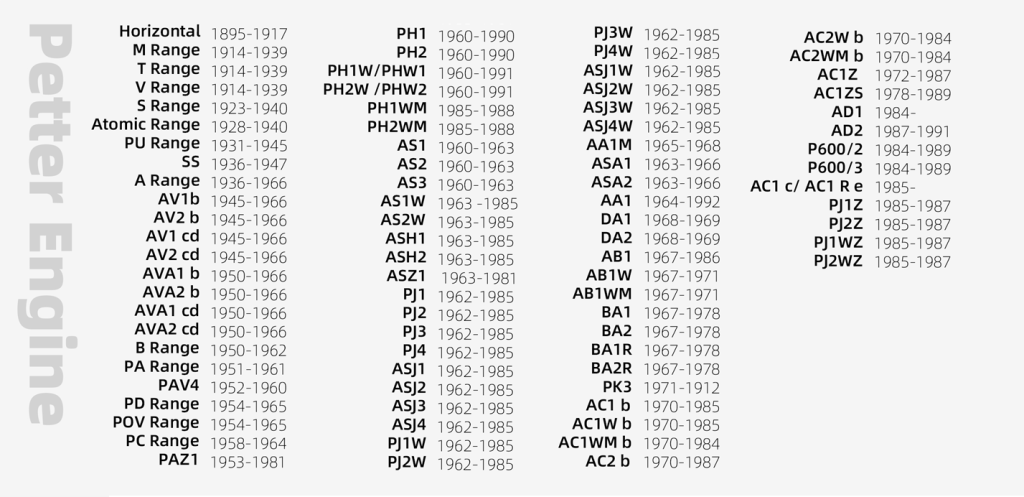
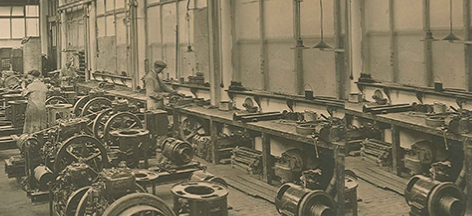
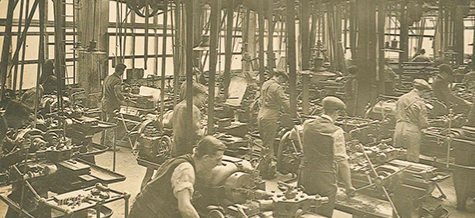
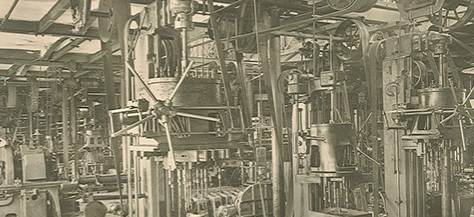
History paragrpahSince 1865 and 1867, Lister and Petter have been names passed down through generations. Your grandfather might have heard the hum of a Lister engine powering a water pump on the farm. His father may have relied on Petter engines to drive industrial machinery. Wherever hard work needed reliable power, Lister and Petter were there, not just as manufacturers, but as essential partners in industry and daily life.
It all began with two separate companies. Petter in agricultural and industrial machinery and Lister in ironmongery and engineering. By 1902, both had developed groundbreaking internal combustion engines, changing the way industries operated. Farmers, railway workers, and factory owners alike came to depend on these engines to power their livelihoods.
As the world modernized, so did Lister and Petter. Petter’s oil engines found their place in early automobiles, while Lister’s petrol engines revolutionized agriculture. Through two world wars, industrial booms, and technological revolutions, Lister and Petter engines continued to evolve, branching into rail, marine, and power generation.
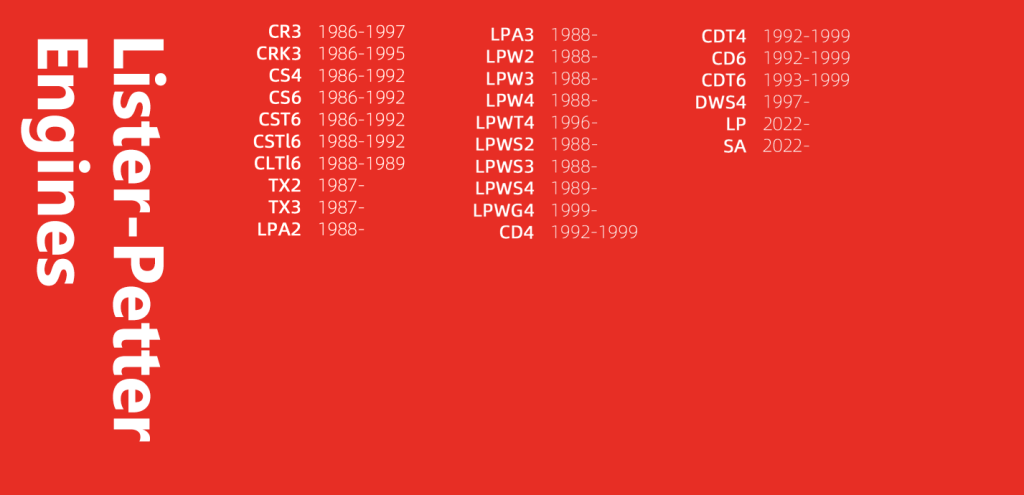
By the mid-20th century, the two companies became part of the Hawker Siddeley Group (Petter in 1957, Lister in 1965). In 1986, their legacies merged to form Lister Petter, a name that quickly became synonymous with rugged, long-lasting diesel power. Whether it was a generator providing electricity to an off-grid village or an engine driving industrial progress, Lister Petter was there,just as it had been for decades before.
By the 1990s, Lister Petter engines were the heartbeat of FG Wilson’s industry-leading diesel generators, cementing their role as one of the world’s most trusted engine manufacturers. But the story didn’t stop there. In 2022, Lister Petter entered a new era—with new owners, a new generation of engines, and a renewed commitment to innovation.
Yet, at its core, Lister Petter is still the same company your family has always known. Our mission remains unchanged: to build engines that power industries, communities, and livelihoods, just as we’ve done for generations.